Stop Being Afraid of Cantering on a Horse

Posted in Horse Cantering | No Comments » July 19th, 2011

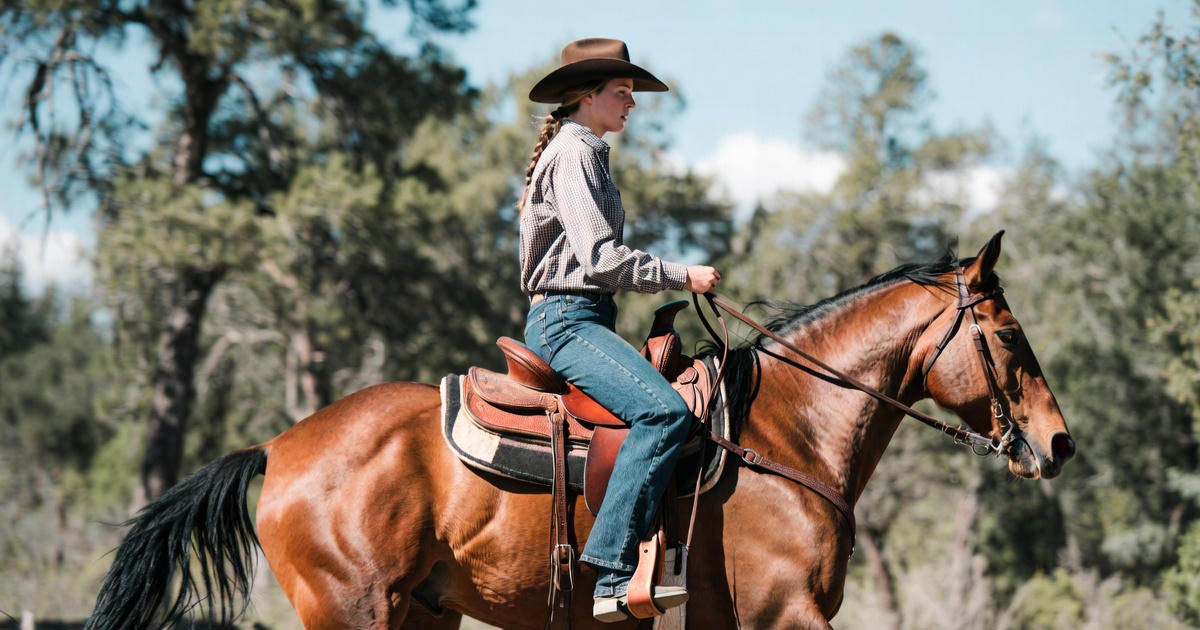
For most riders, there are different reasons why they are afraid of cantering a horse. Though it may be tough to determine, there are a couple of ways to stop being afraid of cantering on a horse and avoid the problems that are encountered by a lot of riders.


Perhaps a person is afraid of cantering on a horse because of a previous fall. Most riders will probably say they have fallen at least ten times from the moment they began their riding lessons. The truth is that a lot of riders are really lucky because rarely any of them encounter serious injuries while cantering on a horse. The main thing that you should remember is that canter is no faster than a trot. The horse’s feet just have a different way to hit the ground. If you already have learned how to trot, then there is no reason why you can’t canter safely.

One way to ease your tension when cantering on a horse is to take some lessons on trotting. Look for a qualified instructor that will teach you the proper way to trot. If you feel comfortable already with trotting then drop your reins and place the horse on the lunge line. Try to feel the rhythm of your horse and give it your best concentration. If you feel comfortable trotting without the reins, then it is a sign that you are ready for cantering on a horse.

If this method does not work, ask for a lesson horse which is a type of horse that is slow and more suitable for cantering. This will help you be more comfortable when cantering on a horse and you can then go back to the lunge line lesson that will prepare you even more for cantering.

If all else fails, then you must learn emergency dismounts. These are very helpful when beginners start learning cantering on a horse. If things go haywire, an emergency dismount will give the riders a way to bail if something goes wrong.

How to Slow Down Horse Cantering

Posted in Horse Cantering | No Comments » April 29th, 2011

For beginner riders, it might be a little difficult to slow down especially coming from a fast-paced horse cantering. In most cases, beginners or even intermediate riders fail to train the horse to carry himself in such a way that there would be proper balance in his frame. This is especially true for large horses. It can be quite difficult for the horse to remain in perfect balance, not to mention, difficult for you as well to hold yourself in an upright position while horse cantering.


The way to slow down in horse cantering is to begin with the rider’s balance. Ordinarily, the rider’s balance depends on his or her sight. For example, if the rider is going in circles to the left, the tendency is for your left shoulder to drop following the direction of your eyes. As a result, the rider throws most of the body weight to his left which is a huge mistake when horse cantering.

Most horses are greatly affected by their riders’ balance and they tend to be sensitive as well as reactive when the riders lose their balance. That is why you need to train the rider and the horse by practicing using these exercises:

- If you are riding on a rectangular arena, try to ride as if there are four straight lines. Just make sure to halt in every corner that faces the wall. Keep your eyes directly ahead of you, then just stop when you come to the end corner of the rail. Do this exercise at walk and trot.

- If you are riding a bending line like in a circular arena, concentrate on raising your inside shoulder and your outside leg must be lengthened. Make sure you are not leaning on the outside of the circle. Keeping your balance well in horse cantering will surely get you to slow down much faster.

Cantering Tips on Sitting

Posted in Horse Cantering | No Comments » April 26th, 2011

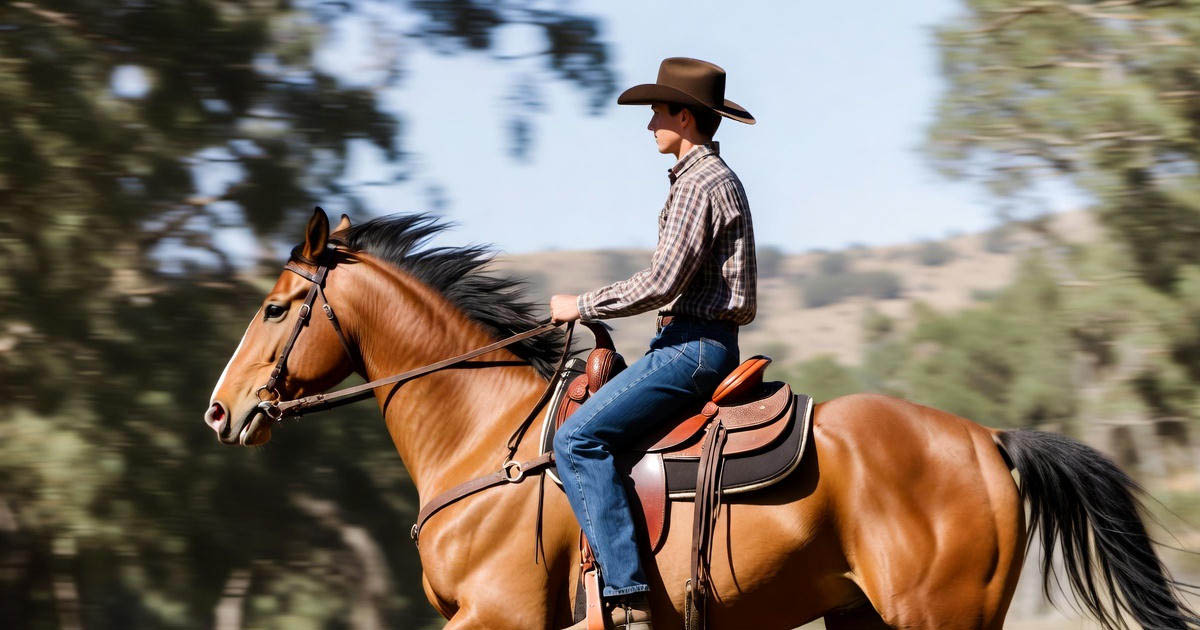
Cantering horse means you ride the horse on a 3 beat movement. If you want to ride beautifully on a horse, you must learn how to balance yourself while riding. The art of riding a horse is achieved if the rider feels elegant and is confident with his or her skills in commanding the direction of the horse. That is what cantering tips is all about.


For beginner and intermediate riders, the art of horse cantering might still be improved. That is why you need some effective cantering tips especially while sitting. Here are some of them:

1. Balance is the key to the rider’s and the horse’s stability. If the rider does not know how to keep the balance while riding, this might interfere with the natural rhythm of the horse. What will happen is that the back of the horse will tighten, raise its head and resist the movement.

2. Most cantering tips will also tell the rider to allow lower back flexibility. As rider, you must also have enough upper body strength as well as deep core stability. The rider’s hamstrings must be able to keep from thrusting and his hands must be gentle in holding the contact.

3. The rider can use a physio ball to practice prior to mounting on a saddle. This could be a very good training for core stability when cantering a horse. The rider can do exercises that will strengthen the upper back and keep it upright as much as possible. It is also a great practice for endurance as well as holding the muscles.

Treat horse cantering as just like any form of exercise. You, as a rider, must concentrate on keeping your position to maintain the balance and direct your horse while cantering. You may use these cantering tips to learn how to properly canter a horse while sitting.

Tips on Effective Horse Cantering

Posted in Horse Cantering | No Comments » February 25th, 2011

Horse cantering is a controlled movement of a horse that follows a three-beat pattern. To train a horse to perform this movement, you need to learn some techniques which professional horse trainers use.


The following are tips for horse cantering:

- Allow the horse to trot around calmly. You need to let the horse warm up before commanding him to move around.
- After the trot, try to bring the outside leg back while your inside leg stays on the girth. Let the horse bend towards the inside. The horse will begin to lift its shoulders and start moving its hindquarters once you apply the leg cues.
- Try to move with the horse once you begin horse cantering. It is easier to be in line with the horse’s movement. Try not to be stiff as this will hold back the fluidity of the movement. If necessary, keep a slight pressure on its inner leg so that the horse can sustain its forward movement.
- Be gentle in handling the reins of your horse. Remember to keep the horse comfortable and yet applying slight pressure for the horse to know who’s in control. Do not make abrupt jerky movements.
- Keep a keen eye through your peripheral vision if the horse is on correct lead. Avoid tipping your head to see if the horse is in the correct position.
- Slowly go back to trotting. Soften the pressure and use a slight tug on the rein or your voice to command the horse.
- Try to mix up the routine by cueing for the lope or the canter. This trains the horse to remember the particular cues and aids.
- Keep on practicing horse cantering in all directions to train the horse in all levels of difficulty.
- Always use a helmet whenever you are horse cantering because this will ensure your safety while training.

Horse Cantering

Posted in Horse Cantering | No Comments » February 4th, 2011

Warm up your horse by mounting it with a work in the walk and trot. It better to warm up your horse by tying a lunge rope and let your horse walk around circles.  


 Now that your horse is all warmed up let your horse pick his balance by forward trot. Be patient before you canter. Half-halt and slowly canter your horse. The horse should be ready to be cantered so slide your legs behind the girth and press it against the horse side. Your horse will pick up the canter.  

 Once you are in the canter , relax and take it slow and feel your horse. It will take a few tries to be comfortable.